
Dead Above Ground
Thoughts From the Wrong Side of Slop

I posted stories here in April, May, and June. Each one was true. I’d been carrying them around for years. They began on yellow legal pads in 2005. I picked them up and put them away more than once because I was an insecure writer. I knew what I didn’t know. I got bogged down, so I stopped.
I made pictures instead.
The debate around AI has become ferocious lately, in all corners of my day-to-day. I’ve never been an absolute kind of guy, but plenty of people seem to be. The prevailing certainty about AI with regard to writing has become so overwhelming that I find myself shutting down once again, questioning not what to say, but how I’m allowed to say it.
I paid for editorial feedback in 2024. It was offered as an income-generating service by a well-regarded online literary magazine. The advice was line-by-line, thorough and useful.
I began using Grammarly about the same time. It has taught me more about punctuation and sentence structure than anything before or since. Not because it wrote for me, but because it corrected the same mistakes over and over until I stopped making them.
My writing improved dramatically. My experience became enjoyable. I finished things.
Apparently, that history—and my modest use of ChatGPT (which I only learned of because credible writers here on Substack once championed it as a useful tool and offered workshops on how best to employ it)—make my writing slop or slop-adjacent. I’m ineligible for some contests. By extension, the story of my life is likely suspect to some readers.
Apparently, I need to go back to yellow legal pads, then photograph and upload my handwritten drafts. Trust me, nobody wants to look at that wretched scrawl.
Ryan Levesque, writing at The Digital Contrarian, recently named something that I’ve become sensitive to amid all the condemnation:
Being called “AI slop” feels like being told they don’t belong … it hints at classism and ableism.
He’s referring to “people with disabilities, non-native speakers, and people who never had the opportunity to develop strong communication skills.” I would add a group I’m familiar with: people wrestling their way out of addiction.
Many people I’ve met in recovery carry experiences they barely comprehend, much less articulate. Most haven’t been encouraged to tell their story; they’re told to shut up. Wanting to write—poetry, a diatribe aimed at abusers, letters of apology to loved ones—comes up a lot.
Several people have watched me go from suicide watch in a crisis house to winning a national memoir competition. They ask for advice. I direct them to writing groups, online and locally. I tell them about Substack. And I remind them that the process matters as much as recognition or reward.
If a controversial new tool helps someone begin to articulate a life they’ve spent decades trying to survive, I have a hard time seeing that as a problem, especially when most people I know use AI in many non-literary areas of their lives to make living easier. I’m certainly not going to shame anyone with limited resources into silence.
If I cut through all the noise about AI—the wider-reaching consequences of which I worry about as much as any other sensible person—I’m left with this. Since none of us can undo what Silicon Valley has already unleashed, what is a person’s intention? Are they causing anyone else immediate, discernible harm? I’m sure there are people trying to game the system, the fate of the world be damned. I’m not one of them. Nor are the people I know who are just beginning to speak. We’re trying to be less sloppy, in fact.
Anyway.
Images.
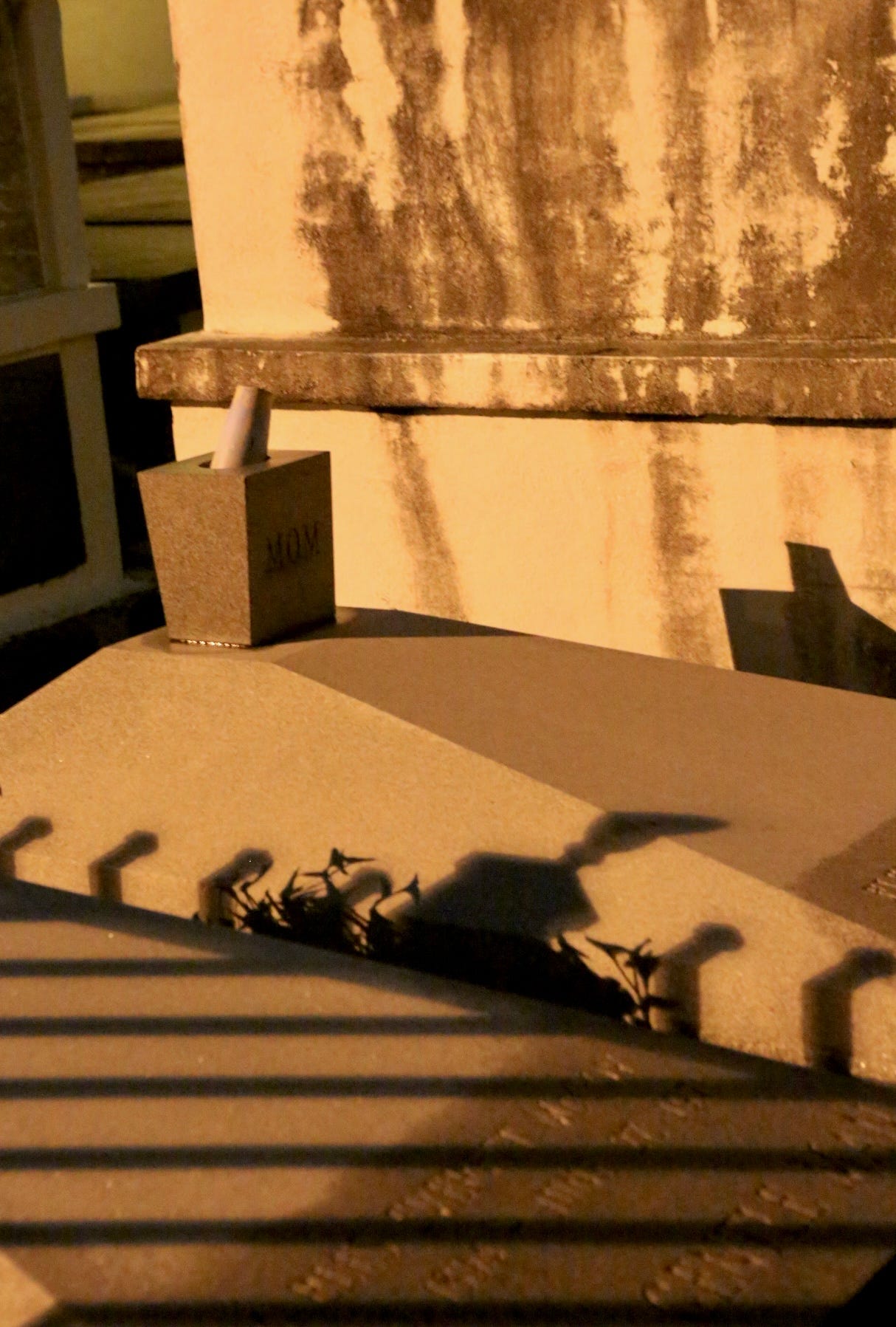
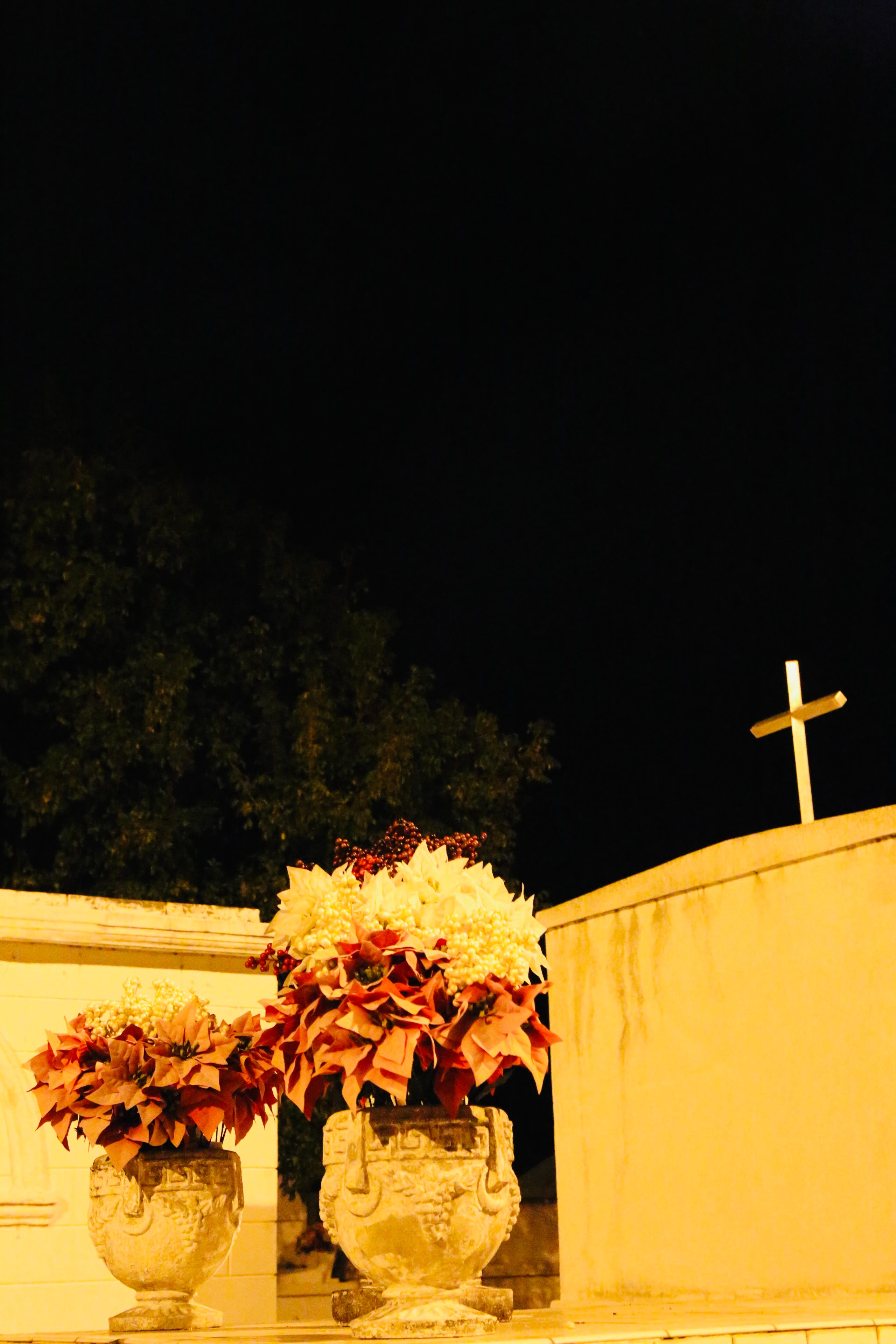
I lived next to a cemetery in Key West. I took some photographs one night. Not sober. No tripod. No flash.
Just graininess, wobble and blur.
Most shots were failures. Ugly nothings.
These weren’t.




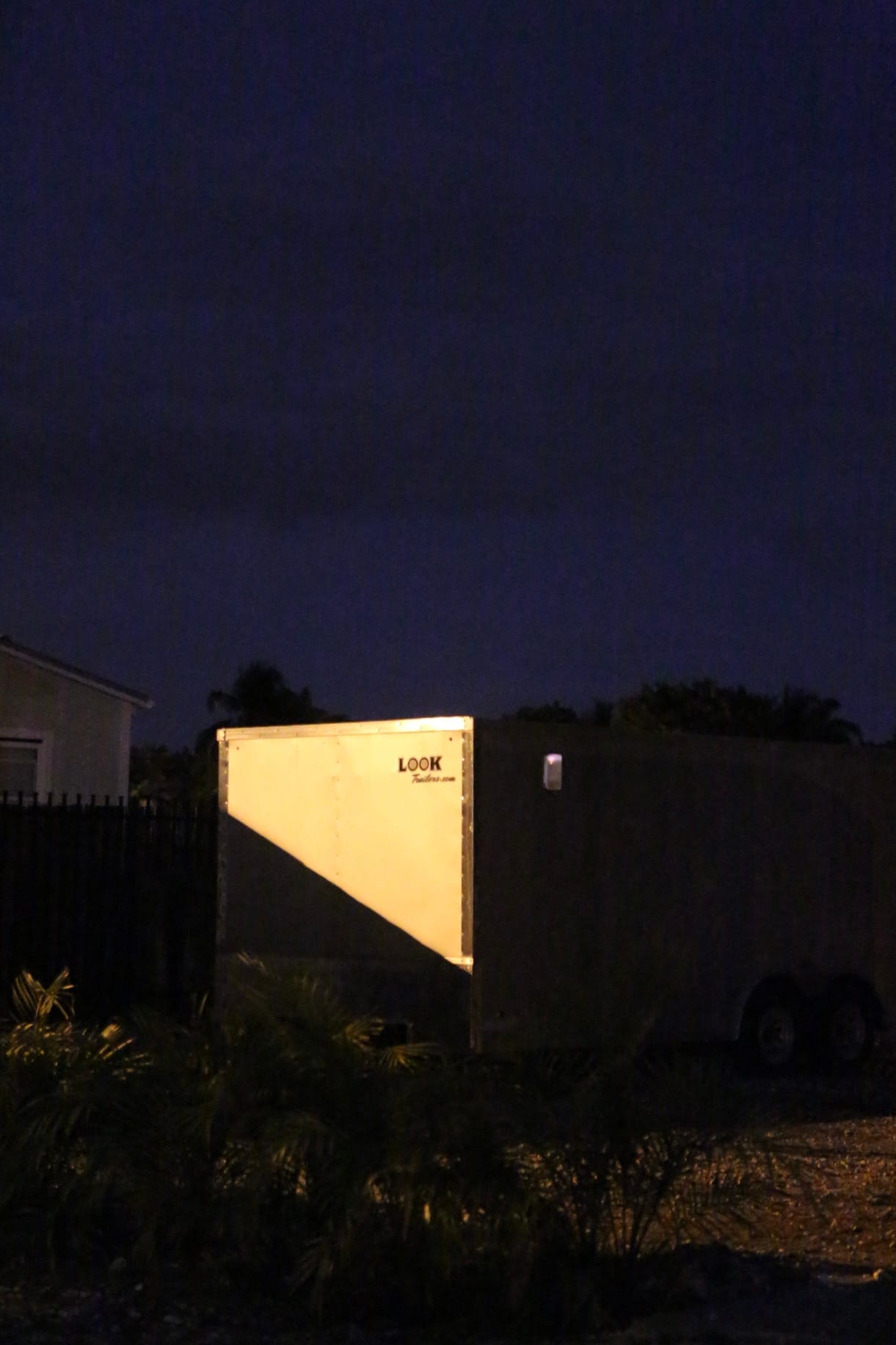
And this one. Taken at the same time. Cooler. Bluer. Inexplicable.

I think you're right to cite the nature of one's intention as the defining factor as to whether AI is helpful or not. There are many trade-offs with using AI to write, but I totally agree that writing communities are an ideal solution to developing a more confident voice.
Keep going...